About
Get to know me
This page gives a more personal look at who I am, how I think, how I can legally work in the United States, and what I do when I’m not in front of a CAD model or a robot.
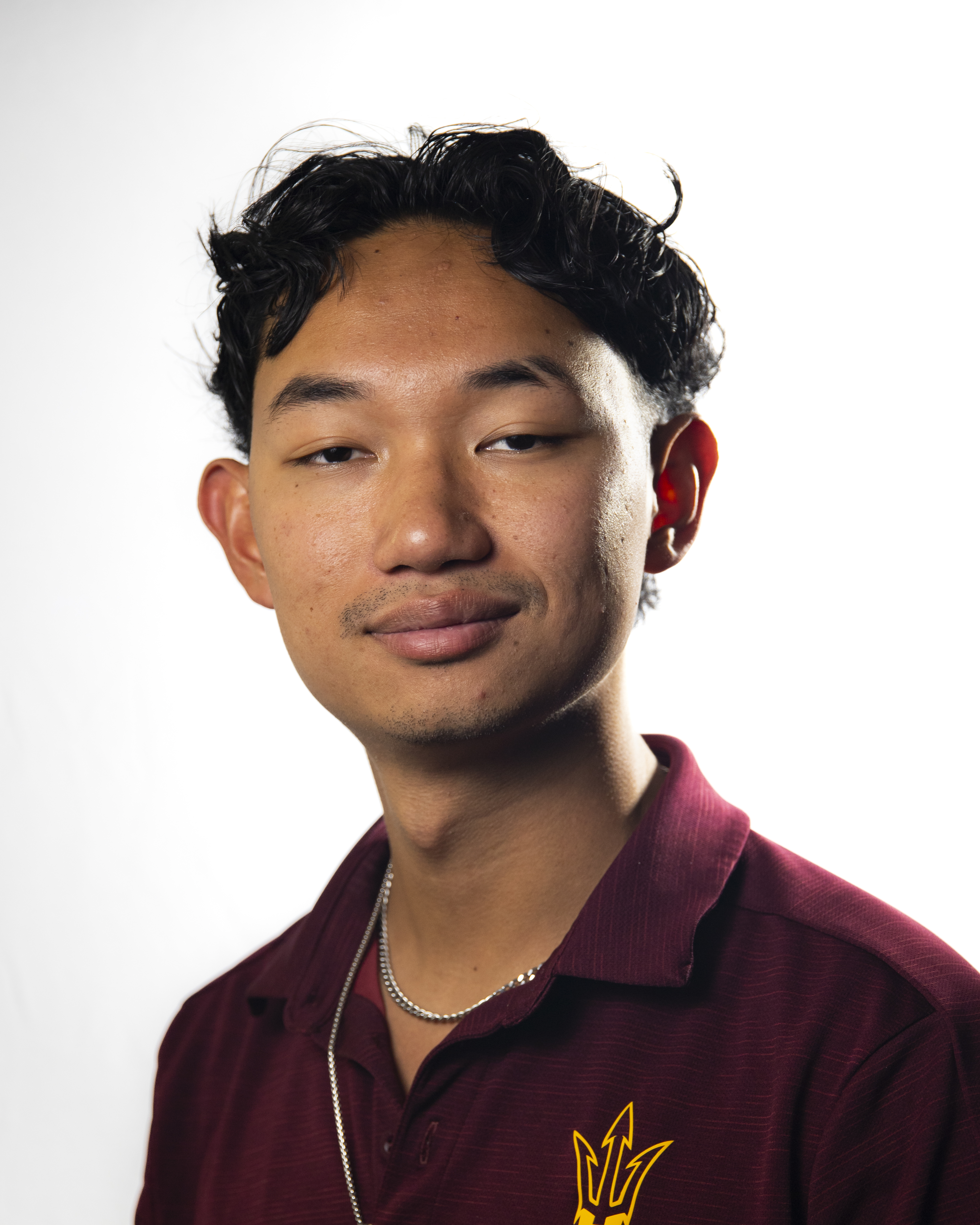
More about me
I was born and raised in Singapore and now study Robotics Engineering at Arizona State University in the United States. I’ve always been the kid who wanted to know how things work – I grew up building and rebuilding LEGO sets, and that habit of taking things apart and making them better never really stopped. Today, that shows up as a strong interest in robotics, manufacturing, and process optimization.
If I had to describe myself in one line, it would be: I’m an ambitious, practical problem-solver who likes to optimize everything I touch. Whether it’s a production flow, a 3D print, or a simple recipe, I’m the type of person who will run it over and over, tweaking one variable at a time, and documenting what works.
One thing I’m always working on is consistency. I perform best in that sweet spot where there’s enough pressure to sharpen me, but not so much that it burns me out. I treat myself the same way I treat a system: I tune inputs, test, and improve. That mindset is what I bring to teams: I own problems, iterate on solutions, and steadily raise the bar without drama.
Visa & work authorization (U.S.)
I am a citizen of Singapore. For long-term employment in the United States, I am eligible for the H-1B1: Free Trade Agreement (FTA) Professional category, which was created specifically for professionals from Singapore (and Chile) working in specialty occupations such as engineering.
The H-1B1 route is designed to be simpler and lower-risk for employers than the standard H-1B: it uses a separate quota reserved for Singapore, is not part of the main H-1B lottery, and can often be processed more quickly when the applicant is outside the U.S. Employers still file a standard Labor Condition Application (LCA) and pay the required prevailing wage, but there is no extra “lottery uncertainty” layer on top.
Recent regulatory changes added a large supplemental fee to some new H-1B petitions. That supplemental fee does not apply to H-1B1 cases for Singaporean nationals , which helps keep government filing costs more manageable on the employer side while still offering the same specialty-occupation standards and protections.
Practically speaking, this means I can be hired like any other full-time engineer, with a clear and well-defined immigration path that U.S. employers already understand. I’m happy to work with your legal/HR team to make the process as smooth as possible.
View official U.S. government H-1B1 infoHobbies & everything else
Outside of work and school, I gravitate toward things that are physical, technical, or just a good test of focus. I’ve trained martial arts on and off since I was six, starting with Kali (Arnis) and later adding boxing, Muay Thai, kickboxing, and Jiu-Jitsu. I’m also a certified rescue diver with over 250 dives, which has given me a lot of respect for planning, risk management, and staying calm under pressure.
On the more maker side, I enjoy 3D printing and hands-on projects, from custom parts to experimental hardware. I like cooking the same way I like engineering; running small experiments, tuning ratios, and chasing the “FINAL_FINAL_FINALFORREAL_Version12” that really feels right. I also enjoy DJing because it blends technical control, creativity, and performing under pressure. Long-term, I’m excited to keep blending these interests into a career where I’m designing, improving, and manufacturing real things into the world.